
Folding Cartons vs Corrugated Boxes – What Ranjangaon Buyers Should Know
- 24/02/2026
- Posted by: dbspackaging
- Categories: corrugated box packaging, packaging industry
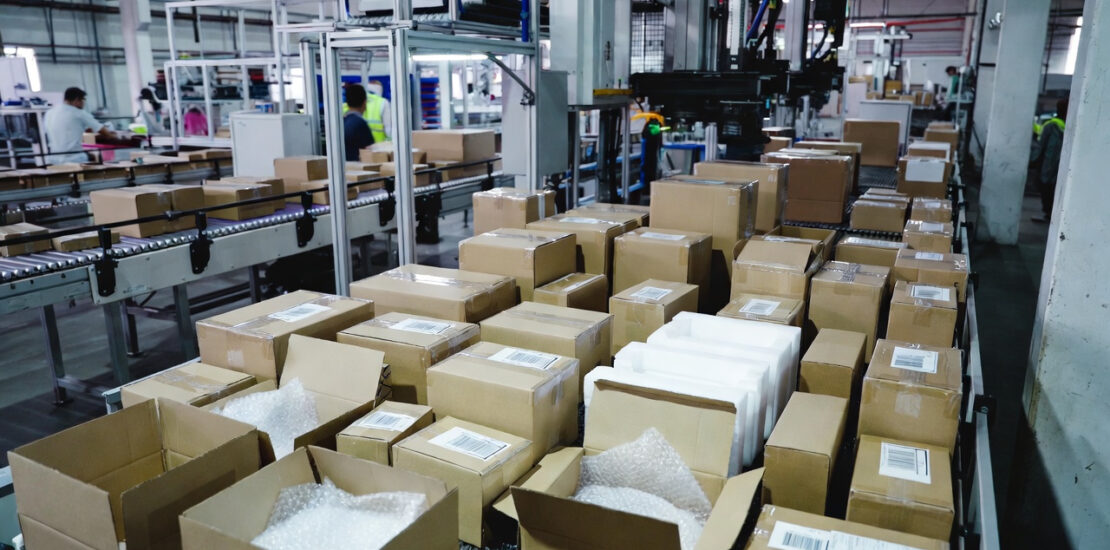
Ranjangaon is one of Maharashtra’s fast-growing industrial zones, with businesses ranging from FMCG and pharmaceuticals to automotive and engineering units. As companies expand production and distribution, selecting the right packaging becomes a crucial business decision. Many buyers often compare Folding Cartons vs Corrugated Boxes to determine which option best suits their products and logistics requirements. Understanding the difference between Folding Cartons vs Corrugated Boxes is essential because each serves a unique purpose in packaging and branding. Folding cartons are typically made from paperboard and are lightweight, compact, and ideal for retail shelves, while corrugated boxes are built with fluted layers that provide superior strength and durability for shipping and bulk handling. Choosing the right packaging not only protects products but also influences cost efficiency, storage, transportation, and brand presentation. For Ranjangaon buyers, the decision should depend on product type, weight, fragility, and distribution channel rather than just price alone.
Folding cartons are commonly used for packaging lightweight items such as cosmetics, medicines, food products, and small consumer goods. Their smooth surface allows high-quality printing, making them perfect for attractive retail packaging. When comparing Folding Cartons vs Corrugated Boxes, folding cartons stand out for branding and visual appeal, as they can feature vibrant graphics, embossing, and special finishes. However, in the discussion of Folding Cartons vs Corrugated Boxes, it is important to note that folding cartons generally provide limited structural strength compared to corrugated boxes. They are best suited for products that do not require heavy-duty protection during transit. For Ranjangaon manufacturers selling directly to retail markets or supermarkets, folding cartons help create strong shelf presence and enhance brand recognition. They are also easy to assemble and store flat, saving warehouse space. Businesses that prioritize presentation and lightweight packaging often find folding cartons to be a cost-effective and visually appealing solution.
On the other hand, corrugated boxes are designed specifically for protection and transportation. Made from multiple layers including linerboard and fluting, they offer high burst strength and excellent cushioning properties. In evaluating Folding Cartons vs Corrugated Boxes, corrugated boxes clearly dominate when it comes to shipping heavy goods, machinery parts, electronics, or bulk products. The strength factor is a key difference in Folding Cartons vs Corrugated Boxes, especially for industries in Ranjangaon dealing with exports or long-distance transportation. Corrugated packaging can be manufactured in 3-ply, 5-ply, or 7-ply variations depending on load requirements. They are also highly customizable, allowing for partitions, die-cuts, and reinforced edges for added safety. Although corrugated boxes may not offer the same premium retail look as folding cartons, they provide unmatched durability, stackability, and shock absorption. For warehouse storage and logistics efficiency, corrugated boxes are often the preferred choice among industrial buyers.
Ultimately, the decision between folding cartons and corrugated boxes depends on business needs and supply chain demands. When analyzing Folding Cartons vs Corrugated Boxes, buyers should consider factors such as product weight, transportation distance, environmental conditions, and branding goals. The ongoing comparison of Folding Cartons vs Corrugated Boxes highlights that neither option is universally better; rather, they serve complementary roles in packaging strategies. Some businesses in Ranjangaon even use both—folding cartons for primary retail packaging and corrugated boxes for secondary shipping protection. Sustainability is another growing consideration, as both packaging types can be made from recyclable materials to support eco-friendly initiatives. By carefully assessing operational requirements and consulting with experienced packaging suppliers, Ranjangaon buyers can make informed decisions that balance protection, cost, and brand value. Choosing the right packaging solution ultimately enhances product safety, improves customer satisfaction, and strengthens long-term business performance.